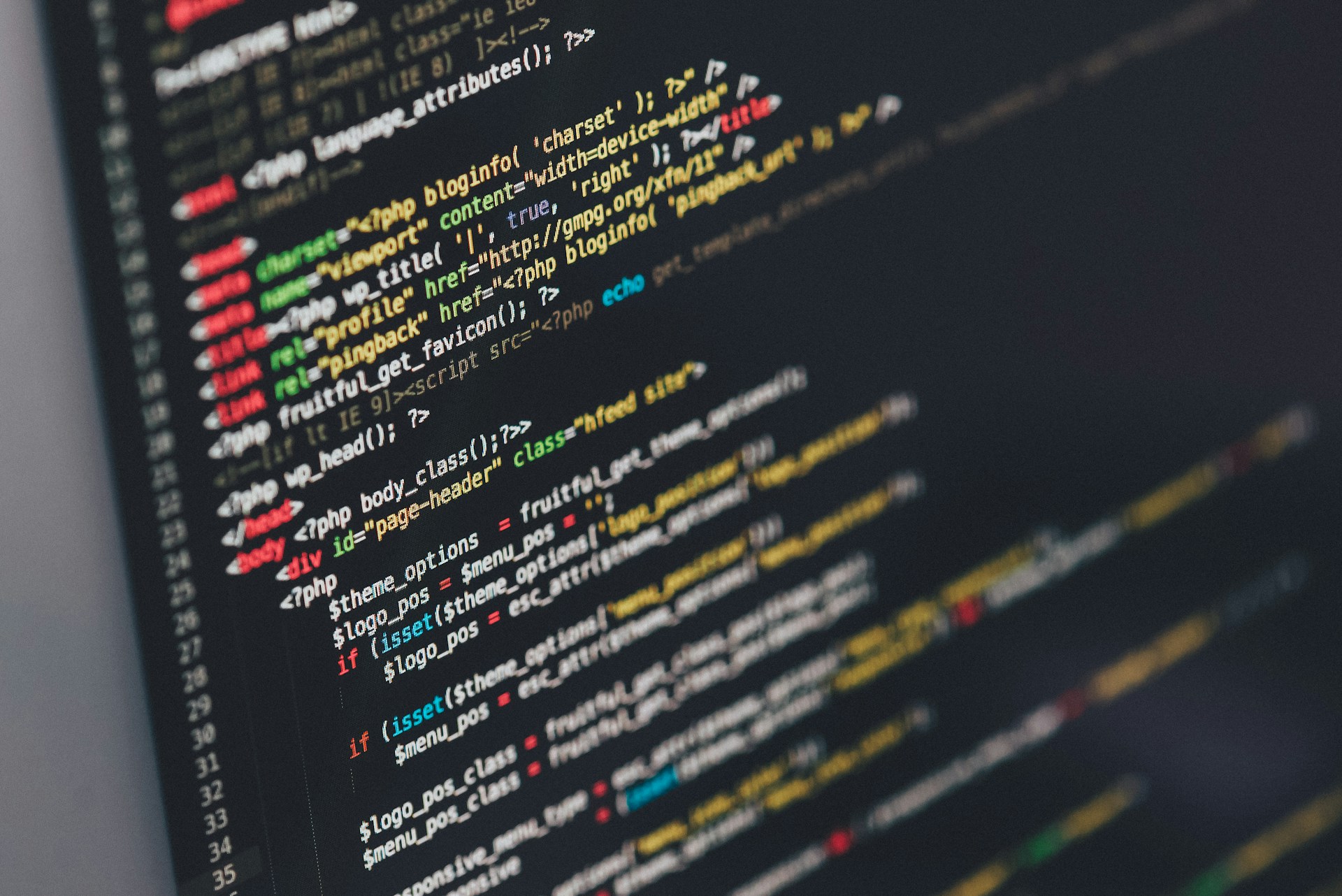
TamboUI: The First Modern Terminal UI Library for Java
Java developers have long had rich options for desktop and web interfaces, but terminal user interfaces (TUIs) remained a stubborn gap. TamboUI, released in February 2026 at version 0.3.0, fills that gap directly. Created by Cédric Champeau (Gradle/VMware alumnus), the library draws inspiration from Ratatui — the widely-used Rust TUI framework — and ports the same layered architecture to the JVM.
The library exposes two tiers of API. A low-level drawing layer gives developers direct control over terminal rendering, while a high-level component layer provides event handling, CSS-style styling, and desktop-like abstractions familiar to anyone who has used JavaFX or Swing. The two tiers compose naturally, meaning teams can start with high-level components and drop to lower-level primitives when custom rendering is needed. Full GraalVM compatibility ships out of the box, producing native binaries of around 10 MB with near-instant startup — addressing the one criticism that traditionally made Java a poor fit for CLI tooling compared to Go or Rust.
Adoption happened quickly. Within months of the initial release, Apache Maven added an interactive build dashboard powered by TamboUI, and Spring Initializr gained a TUI front-end for project scaffolding. Quarkus and Micronaut followed with their own integrations. The library responds directly to a community call to "make 2026 the year of Java in the terminal," and its integration with modern distribution tooling (JBang, JReleaser) means distributing a TUI application requires no special packaging steps beyond a standard native-image build.
For teams already invested in the Spring or Maven ecosystems, TamboUI now makes it practical to ship polished terminal interfaces without leaving Java or adopting a second language just for the CLI layer.
Read more — InfoQ
JDK 27 Rampdown Phase One Arrives June 4 — Feature Set Crystallizes
JDK 27's Rampdown Phase One (RPD1) is scheduled for June 4, 2026, the point at which the JDK fork separates from the main development line and the feature set is locked. After RPD1 only targeted fixes are permitted; any JEP not already targeted is deferred to JDK 28. The general availability release follows on September 14, 2026.
Three JEPs are already confirmed as targeted for JDK 27. JEP 523, "Make G1 the Default Garbage Collector in All Environments," promotes G1GC to the default across all deployment contexts, not just server-class machines. This closes a long-standing inconsistency where developer machines and constrained environments would start with a different GC than what ran in production. JEP 534, "Compact Object Headers by Default," makes the compressed 8-byte object header layout — previously opt-in since JDK 25 — the standard layout in HotSpot. The savings depend on workload, but heap-heavy applications commonly see 5–15% reduction in heap footprint without any code changes. JEP 537 continues the Vector API's incubation for the twelfth cycle, maintaining the on-ramp for vectorized computation while the Project Valhalla dependencies it relies on continue to mature.
Several additional JEPs are in "Proposed to Target" status and may still land before the fork. JEP 538, "PEM Encodings of Cryptographic Objects," would deliver a long-awaited standard API for reading and writing cryptographic keys and certificates in PEM format — useful for any application handling TLS material. JEP 536, "JFR In-Process Data Redaction," would allow Java Flight Recorder to scrub sensitive values like command-line arguments before they reach a recording, addressing a practical compliance concern for teams that ship JFR-enabled builds.
With RPD1 days away, developers following JDK 27 have a clear window to review the candidate JEPs and raise any last concerns before the fork closes the door.
Read more — InfoQ
Links & Sources

You May Also Enjoy